
Pope Leo has declared this a Jubilee year—from January 10, 2026—January 10, 2027
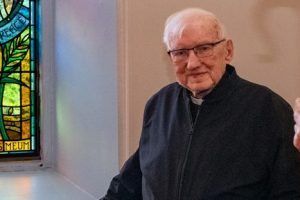
Mgr Basil O’Sullivan writes
During this year, which marks the 800th anniversary since the death of St Francis, we can gain a plenary or partial indulgence under the usual conditions—Confession and Holy Communion; and by visiting a shrine/church to St. Franscis and praying there for the Pope’s intentions. A similar indulgence may be gained by the sick and housebound—unable to visit a Franciscan Shrine or Church, they may gain the indulgence by offering their sufferings to God and by praying for the Pope’s ?intentions
What is an indulgence ?
The catechism says it is a remission before God of the temporal punishment due to sins whose guilt has already been forgiven. The Church is the minister of Redemption and she dispenses and applies with authority the treasury of the satisfactions of Christ and the saints. An indulgence is either partial or plenary, according as it removes either part or all of the temporal punishment due to sin. Indulgences may be applied to the living or the dead.
The Catechism goes on to explain that sin has a double consequence. . Grave (or mortal ) sin deprives us of communion with God and therefore makes us incapable of eternal life –i.e. eternal punishment . On the other hand, every sin, even venial sin, involves an unhealthy attachment to creatures which must be purified here on earth or ,or after death, in the state called Purgatory. This purification is called “temporal punishment “ These two punishments are not a kind of vengeance inflicted by God from without, but as following from the very nature of sin itself. While patiently bearing sufferings and trials of all kinds, and when the day comes, serenely facing death, the Christian must strive to accept this temporal punishment of sin as a grace. The pious prayer “ I offer it up for my sins “is more than a pious ejaculation, but a real prayer which can have a beneficial influence on our lives.