
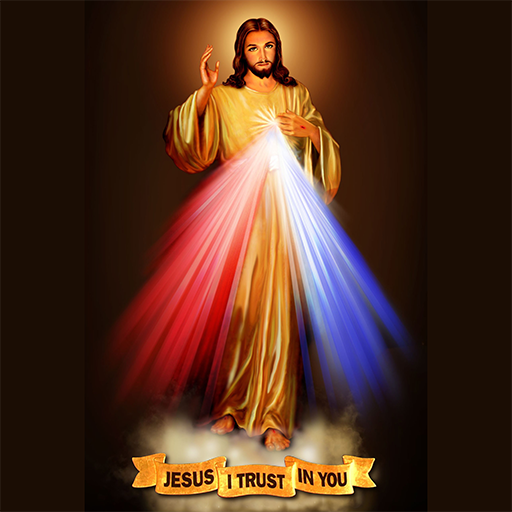
A guide to Divine Mercy Sunday, provided by Monsignor O’Sullivan, parish priest of Our Lady of Perpetual Succour in Auchterarder.
The Church defines Divine Mercy as a fundamental attribute of God, revealed through Jesus Christ’s life, death and resurrection, which shows his power most fully in the free forgiveness of sins.
The Gospel message is the revelation of this infinite compassion. It is centred on Christ’s sacrifice for the redemption of sinners, emphasising their need to approach God with confidence and trust in his mercy.
Key Aspects of Divine Mercy
It highlights the second spring of grace, focussing on God’s love after Easter and offering complete remission of sins and punishment.
Origin
The feast, while rooted in the octave day of Easter, was officially established for the universal Church by Pope John Paul II in 2000, prompted by revelations to Sr Faustina.
Promises
Jesus told Sr Faustina that anyone going to Confession and receiving Holy Communion on this day would obtain total forgiveness of sins and punishment.
Conditions to receive the graces
Celebrate the feast on the Sunday after Easter.
Go to Confession on the day or near the day.
Receive Holy Communion.
Place full trust in God’s mercy.
Show mercy to others.
Venerate the Divine Mercy image and pray the Divine Mercy Chaplet.
Divine Mercy Chaplet
On the large beads: Eternal Father, I offer you the body and blood, soul and divinity of your dearly beloved Son, our Lord Jesus Christ, in atonement for our sins and those of the whole world.
On the small beads: For the sake of his sorrowful passion, have mercy on us and on the whole world.
Conclude (repeat 3 times): Holy God, Holy Mighty One, Holy Immortal One, have mercy on us and on the whole world.