
Catholic Parliamentary Office Welcomes SNP Decision to Withdraw Abortion Motion
The Catholic Parliamentary Office welcomes the decision of the Scottish National Party to remove from its conference agenda a proposed motion that would have sought to decriminalise self-administered abortion and significantly weaken legal protections for unborn children.
Last month, in response to reports of the motion, the Catholic Parliamentary Office expressed its concern that SNP members could be asked to support proposals that would have allowed self-administered abortion up to birth for any reason, including sex-selective abortion. At that time, CPO Director Anthony Horan noted that any measure which could permit abortion up to the point of birth and facilitate sex-selective abortion raised “profound moral and ethical concerns”.
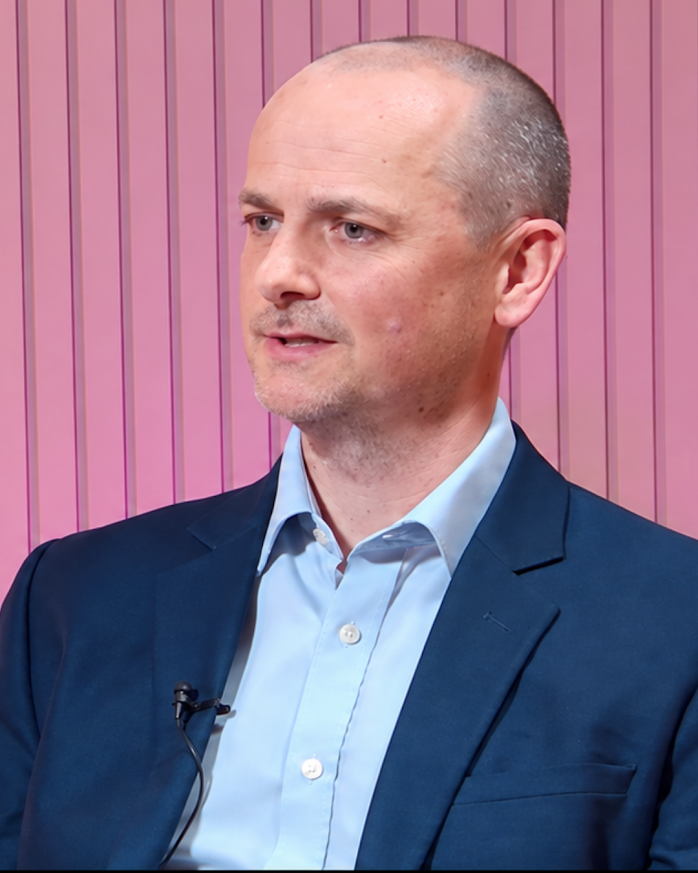
Commenting on the decision to withdraw the motion, Anthony Horan said:
“I welcome the decision of the SNP to remove this motion from its conference agenda. The proposals it contained would have represented a radical and unnecessary weakening of protections for unborn children and their mothers.
“Every human life possesses inherent dignity and worth from conception until natural death. A compassionate society is one that protects both mother and child.
“I am grateful to all those who highlighted the serious ethical concerns raised by these proposals and who encouraged reflection on the wider consequences of removing long-standing legal safeguards.
“Scotland faces many pressing challenges. Families are struggling with the cost of living, communities require better housing and healthcare provision, and we need greater investment in support for parents, children and high-quality palliative care. These are the issues that deserve the attention of our political leaders.
“I hope that this decision provides an opportunity for a more constructive conversation about how Scotland can support women facing difficult pregnancies while continuing to uphold respect for the dignity and value of every human life.”
Parental and Pastoral Care Without Fear: A Response to the SNP Conference Motion on Conversion Practices
The Catholic Parliamentary Office shares the determination to protect every person from violence, coercion, and abuse and strongly believes that such conduct should be addressed effectively under the law, and those who have suffered harm should receive compassionate and appropriate support.
At the same time, the motion tabled at SNP Party Conference proposes a prohibition of exceptional breadth, extending across family life, religious settings, healthcare and situations in which an adult has sought assistance voluntarily. Without precise definitions and robust safeguards, such an approach risks treating ordinary conversations, conscientious guidance and supportive care as suspect simply because they engage questions of identity, relationships, faith or personal conduct.
Parents and carers have responsibilities for the welfare of their children, including listening, offering reassurance, setting appropriate boundaries and helping them to reflect carefully on significant decisions. A broadly framed ban could create uncertainty about whether a parent may ask questions, encourage patience, seek professional advice or discuss the family’s moral and religious convictions without fear that such conversations might later be characterised as unlawful.
This uncertainty could weaken trust within the home. Children and young people benefit when they can speak openly with those who know and love them best, without family members feeling compelled either to affirm immediately every stated view or to withdraw from sensitive discussion altogether.
Pastoral ministry is founded on respect for the dignity and freedom of every person. Clergy, chaplains and lay pastoral workers are called to listen without condemnation and to accompany people with sensitivity and discretion. Individuals may seek prayer, spiritual counsel or moral guidance for many reasons. They should remain free to ask for such support, and clergy should remain free to respond honestly and compassionately within the teaching of their faith, provided no abuse, intimidation or coercion is involved.
It is important, for the sake of clarity and legal certainty, that supporters of conversion practices legislation demonstrate which conduct that isn’t already illegal they intend to criminalise by the proposed new law. Moreover, it is vital that any new law contains clear protections for freedom of thought, conscience and religion, freedom of expression, private and family life, and the voluntary giving and receiving of pastoral care.
- The Scottish Catholic Parliamentary Office works on behalf of the Bishops’ Conference of Scotland, by engaging with politicians and policymakers on matters central to the life and mission of the Catholic Church.
- For further information, contact Fr Michael Kane, Director of the Communications and Evangelisation Office. Email: media@bcos.org.uk