
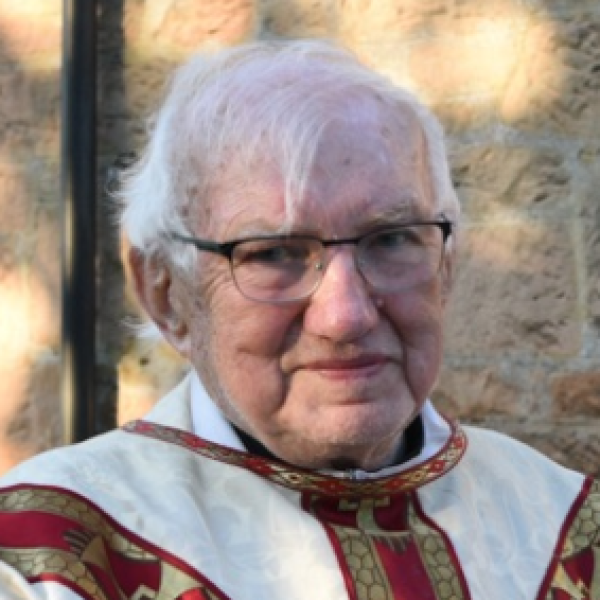
From Monsignor Basil O’Sullivan, Parish Priest of Our Lady of Perpetual Succour in Auchterarder
The church teaches that the “holy souls” are those who have died in God’s friendship but still need final purification. Before entering heaven they must achieve the necessary holiness. This is very different from the punishment of the damned.
The church has prayed for the dead since the earliest times, especially during Mass, in the belief that these petitions help the departed person while enhancing the prayers of the holy souls for the living.
Life on this earth is the definitive time to choose grace, the holy souls cannot merit for themselves, depending entirely on the prayers, almsgiving and sacrifices offered by the living on earth. Prayers of the living on earth help the souls in purgatory, while the prayers of the holy souls can help the living. After death, human life is closed to accepting or rejecting grace, meaning the holy souls cannot pray or perform good works to free themselves, relying entirely on the communion of the church to assist them.
There are two schools of thought about those who go to Purgatory. The more lenient opinion is that the proper reception of the last rites—confession, anointing of the sick, viaticum, i.e., communion given to the dying, and the Apostolic Blessing which has a plenary indulgence attached, prepares a person to meet God immediately in heaven, i.e., to enjoy the Beatific Vision. The stricter opinion says that all who die have to go through the process of purification in purgatory before being holy enough to encounter God. We interpret these mysteries in the light of the infinite mercy of God, whose name is mercy.